
The Montessori Approach
A child-centred approach to early education that nurtures independence, confidence and a lifelong love of learning.
Who Was Maria Montessori?
Maria Montessori (1870–1952) was the first woman in Italy to graduate in medicine from the University of Rome. Her early work with children led to a lifelong study of child development and education.
In 1907, she opened the first Casa dei Bambini. Drawing on her research into philosophy, development and education, she created the Montessori Method—an approach that recognises children as active learners who gain knowledge through their environment, experiences and relationships with others.
Within a Montessori setting, teachers guide and facilitate rather than direct every activity. Children are encouraged to explore, create and learn at their own pace, helping them develop independence, confidence and pride in their achievements.
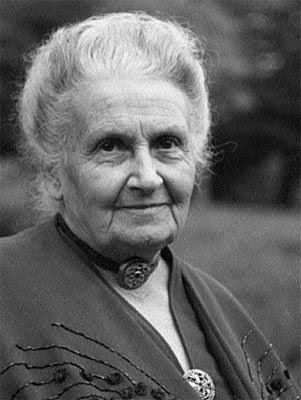
“Show me and I’ll remember today. Teach me and I’ll remember tomorrow.
Allow me to discover and I’ll remember forever!”
Why Choose a Montessori Nursery?
Children naturally want to explore, understand and learn. A Montessori environment gives them the freedom—within clear and consistent boundaries—to choose purposeful activities that reflect their interests and stage of development.
Independence and Responsibility
Children choose from carefully prepared activities and learn to complete tasks at their own pace. This freedom of choice helps develop concentration, personal responsibility and self-discipline.
Individual Learning
Children progress at a pace that is right for them. Activities may be introduced individually or in small groups, allowing teachers to understand and support each child’s development.
A Calm, Prepared Environment
The Montessori classroom is designed around the needs of the child. Its calm, purposeful atmosphere encourages communication, confidence and respect for others and the environment.
The Montessori Classroom
A Montessori classroom is a welcoming, carefully prepared environment designed specifically for children. Activities are displayed on open shelves, allowing children to choose their work and use clearly defined areas at tables or on floor mats.
Learning is practical, integrated and purposeful. Children are encouraged to handle materials, repeat activities and discover solutions for themselves, helping them develop concentration, coordination and confidence.
Practical-life activities help children organise tasks, care for themselves and look after their environment. They also encourage grace, courtesy, physical coordination and respect for others.
Sensorial materials help children explore, compare and classify qualities such as size, shape, colour, texture, temperature and weight.
Areas of Learning
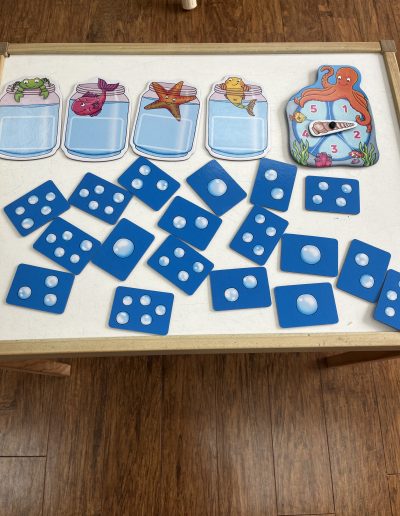
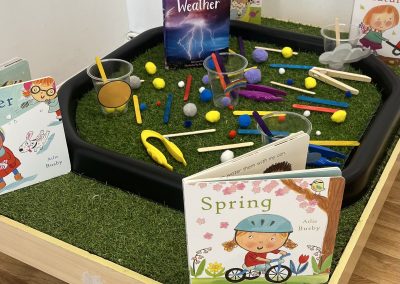
Montessori education brings different areas of learning together through practical, hands-on activities. The classroom materials allow children to explore ideas independently, build understanding through repetition and progress at their own pace.
Practical Life
Everyday activities help children develop independence, concentration, coordination and care for themselves, others and their environment.
Sensorial Learning
Specially designed materials help children recognise, compare and classify qualities such as shape, size, colour, texture, sound and weight.
Mathematics
Hands-on materials introduce number, quantity, sequence and mathematical operations, helping children understand concepts before moving towards abstraction.
Language
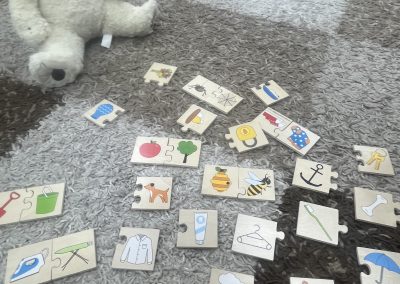
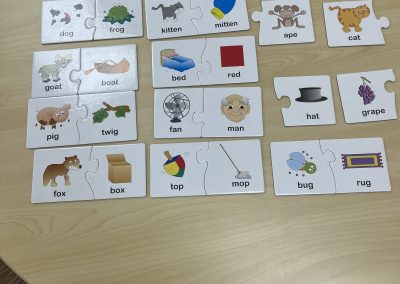
Children develop early reading and writing skills through phonics, sandpaper letters and the moveable alphabet, connecting letter shapes with their corresponding sounds.
Understanding the World
Geography, history and life-science activities encourage children to explore nature, cultures, communities and the wider world around them.
Creative Development
Music, movement, art and craft provide opportunities for self-expression, imagination, physical development and creative exploration.
Learning Together at Wirral Montessori
Mixed-Age Learning
Our classes bring together children aged 2–5 years. This mixed-age environment creates valuable opportunities for children to learn from and support one another.
Younger children benefit from observing the activities and positive examples of older children. Older children develop confidence, responsibility and empathy as they help and guide their younger classmates.
A Typical Montessori Session
A typical session begins with an uninterrupted Montessori work period of approximately two and a half hours. This cycle gives children the time and freedom to become deeply engaged in activities that reflect their developing interests.
The classroom contains carefully selected, practical and three-dimensional materials that support children’s developmental needs. Children can choose activities, work independently or with others, repeat tasks and complete their work without unnecessary interruption.
